What To Wear For Alaska Winter Trip – Ultimate Packing List (+ Free PDF)

Before my Alaska winter trip, one of my biggest concerns was figuring out what I would actually need to wear in such extreme cold. I live in New Jersey, so although I’m used to winter weather, temperatures below -20°C were completely different from anything I normally experience.

I spent a lot of time researching what to wear in Alaska in winter, comparing winter clothing, and reading reviews before buying our gear. Thankfully, that preparation paid off. During the trip, we wore up to four layers, and having the right clothing made it possible for us to spend time outside without feeling completely miserable.

I visited Alaska in March, when temperatures during our trip ranged from around -15°C to -25°C. March ended up being a great time for our winter trip because we had close to 12 hours of daylight for sightseeing, while the nights were still dark enough to see the Northern Lights.

Fairbanks can get even colder during December and January, with temperatures sometimes falling below -30°C. Standing outside at night waiting for the Northern Lights is not easy in that kind of weather, so packing the right layers, boots, and winter accessories is extremely important.

For a complete breakdown of the best time to visit, winter weather, and things to do, read my Ultimate Alaska Winter Travel Guide.

Based on what we personally wore and used, I created this Alaska winter packing list to help you prepare for your own trip. Below, I’ll share the exact layering system that worked for us, what to pack for Alaska in winter, and which items I would not travel without. You can also download the free printable Alaska winter packing checklist to make planning easier. 

What To Wear For Alaska Winter

 Affiliate Disclosure: This post may contain affiliate links, which means I may receive a commission if you make a purchase through the links provided, at no additional cost to you. See our Privacy Policy for more information.

The Layering System I Used for Alaska Winter

The most important part of deciding what to wear in Alaska in winter is learning how to layer properly. During my March trip in Alaska winter, we wore up to four layers when temperatures dropped between -15°C and -25°C, especially when we were outside for longer periods or waiting for the Northern Lights at night.

However, we did not wear every layer all day. Most hotels, restaurants, museums, and other indoor spaces in Alaska are well heated, so we usually removed one or two layers as soon as we went inside. This helped us stay comfortable and avoid sweating, which is important because damp clothing can make you feel much colder when you step back outside.

My Alaska winter clothing system included:

  1. A moisture-managing thermal base layer
  2. A warm fleece mid-layer
  3. An insulated jacket
  4. A wind-resistant parka or protective outer layer

I adjusted these layers depending on the temperature and activity. For a quick walk between the hotel and the car, I did not always need all four. But for outdoor activities and nighttime Northern Lights tours, wearing the full layering system helped us stay warm for much longer.

Here is a closer look at each layer I packed and how I used it during our Alaska winter trip.

Base Layer

A good base layer is the foundation of your Alaska winter clothing. This is the layer that sits directly against your skin, so it needs to keep you warm while also helping manage moisture.

For my Alaska trip, I chose merino wool thermals after doing a lot of research. I wore a long-sleeve thermal top and thermal bottoms as our first layer, and they made a noticeable difference when temperatures dropped below freezing.

You can choose either wool or synthetic thermals, but I went with merino wool because it felt warm without being too bulky. It was also easier to wear underneath the rest of our layers without feeling overly restricted.

For women, I packed:

My husband packed the similar setup:

I would not recommend using regular cotton leggings or a cotton T-shirt as your main base layer. Cotton can hold moisture, and once it becomes damp, it can make you feel colder. For an Alaska winter trip, it is better to choose thermals made from merino wool or a moisture-wicking synthetic fabric.

We usually kept our base layers on throughout the day and adjusted the warmer layers on top depending on whether we were indoors, sightseeing, or spending a long time outside.

Mid Fleece Layer

The second layer in our Alaska winter clothing system was a fleece layer. We wore it over our thermals to add insulation and trap warmth without making the entire outfit feel too bulky.

For the top, we chose a fleece pullover or fleece-lined jacket that fit comfortably underneath our insulated outer layers. I recommend avoiding anything too oversized, since you still need enough room to wear your jacket and parka over it.

For women, I packed:

My husband packed:

If you plan to wear jeans, fleece-lined leggings can work as a warm mid-layer underneath them. However, for longer outdoor activities or very cold days, we found that insulated snow pants were a better outer option than jeans.

We adjusted this layer depending on the temperature and how much time we expected to spend outside. For short walks or indoor sightseeing, we sometimes removed the fleece layer. But when we were outside at night looking for the Northern Lights, it became an important part of our layers for Alaska winter.

Outer Layer

The outer layer is what protects you from Alaska’s freezing temperatures, wind, and snow. For my trip, I wore an insulated jacket with a parka on top, especially when I was spending longer time outside.

For the bottom, jeans worked for shorter outings and indoor sightseeing. However, for outdoor or night activities, I recommend wearing fleece-lined snow pants instead. They provide much better protection from icy wind and snow than regular jeans.

For women, I packed:

My husband packed:

The parka was especially important at night when we were outside looking for the Northern Lights. Even with several layers underneath, the wind made the temperature feel much colder, so having a protective outer layer made a noticeable difference.

You can also choose an insulated one-piece snowsuit instead of separate snow pants and a parka. This can be a practical option for activities where you will be outside for a long time, but we preferred separate layers because they were easier to remove when we went indoors.

When choosing your outer layers for an Alaska winter trip, make sure they fit comfortably over your thermals and fleece. A jacket that feels perfect on its own may become too tight once you add multiple layers underneath.

Accessories to Stay Warm

Even with four clothing layers, the right winter accessories made a huge difference during our Alaska trip. Your head, face, hands, and feet can start feeling cold very quickly, especially when you are standing outside at night waiting for the Northern Lights.

Beanie: A warm beanie is essential for protecting your head and ears from the cold. I also found that covering my head helped prevent the headache I sometimes get after spending too much time outside in freezing temperatures. Pack an extra beanie as a backup too, just in case one gets lost during the trip.

Thermal Headband: We carried thermal headbands for extra ear protection on windy days and nights. You can wear one on its own when the weather is milder or underneath a beanie when the wind feels especially harsh.

Balaclava: This was one of the best accessories we packed for outdoor activities. A balaclava covers most of your face, and neck, which makes it especially useful for Northern Lights viewing in extreme temperatures. It is not always the most stylish item, but when it is -20°C outside, staying warm matters much more.

Ski Gloves: For outdoor activities, insulated ski gloves worked best for us. Regular fleece or wool gloves may be enough for short walks, but they did not provide the same protection when we stayed outside for longer periods.

Mittens and Liner Gloves: Wool mittens were another useful option because they kept our fingers together and felt warmer than regular gloves. We chose mittens with a fold-back cover, which made it easier to use our phones and cameras. Underneath, we wore thin liner gloves so our hands were never completely exposed.

I recommend packing an extra pair of gloves or mittens too, just in case one gets lost during the trip.

Socks: We wore two to three layers of socks, starting with thin liner socks and adding insulated or wool socks over them. Knee-length wool socks are a good option because they provide extra coverage around your lower legs. Just make sure your socks do not make your boots too tight.

Winter Boots: We bought insulated winter boots made for snow and freezing temperatures. The exact pair we used may no longer be available, but I have linked similar options for women and men. Look for boots with insulation, waterproofing, and good traction, and try them on with the same sock layers you plan to wear in Alaska.

Hand, Foot, and Body Warmers: These were lifesavers on the coldest nights. Even after wearing several layers, we still used hand warmers, foot warmers, and body warmers when we were standing outside for a long time. They were especially helpful during Northern Lights viewing when we were not moving around much. Always read the instructions and safety warnings before using them.

Walking Traction: Bring removable walking traction if you plan to hike or walk on icy trails. They take up very little space and can provide extra grip when sidewalks or paths become slippery.

Swimsuit: If you are planning to visit a hot spring during your Alaska winter trip, pack a swimsuit because you will need one to enter the water.

These accessories may seem like small additions, but they were some of the most important items on our Alaska winter packing list.

Few of the items are not cheap. We live in New Jersey and for us it is like an investment. For those who are looking for a single time use may not find it as a best option. You can check Amazon for cheaper options and would suggest to buy after reading the reviews. 

You can download the free Alaska winter packing list PDF below so you have everything in one place while preparing for your trip.

Get the Free Alaska Winter Packing List

    We respect your privacy. Unsubscribe at anytime.

    What to Wear for Specific Activities

    One thing I quickly realized in Alaska is that you do not need to wear the exact same number of layers for every activity. What worked for us depended on whether we were standing outside at night, moving between heated indoor spaces, or spending several hours outdoors.

    Here is how I adjusted my Alaska winter clothing for the main activities on our trip.

    Northern Lights viewing

    Northern Lights viewing was when we needed our warmest clothing. You may spend a long time standing outside at night without moving much, and that made the cold feel much more intense for us.

    We wore our full layering system: merino wool thermals, a fleece mid-layer, an insulated jacket, a parka, and fleece-lined snow pants. We also added a beanie, balaclava, liner gloves, ski gloves or mittens, multiple layers of socks, and insulated winter boots.

    For me, the balaclava and warmers were especially important. The balaclava protected my face and neck from the freezing wind, while hand, foot, and body warmers gave us extra warmth when temperatures dropped close to -25°C. This is one activity where I would rather pack too many warm layers than realize I did not bring enough.

    Most of the Northern Lights tours may have a heated cabin where you can warm up between sightings, but I would still dress as though you will be spending most of the night outdoors.

    Daytime Sightseeing and Driving

    For daytime sightseeing and driving, we wore lighter layers that were easier to remove. Cars, hotels, museums, restaurants, and other indoor spaces are usually well heated, so wearing all four layers indoors can become uncomfortable very quickly.

    We normally kept our thermals on and adjusted the fleece and outer layers depending on how much time we expected to spend outside. For short stops, we did not always need the full Northern Lights outfit. But when we planned to walk in the snow, we wore the base and fleece layers underneath our outer clothing.

    This is why I recommend packing pieces that are easy to unzip, remove, and carry. It is much easier than feeling overheated inside and then stepping back into freezing temperatures while your clothes are damp from sweating.

    Dog Sledding, Snowmobiling, and Glacier Activities

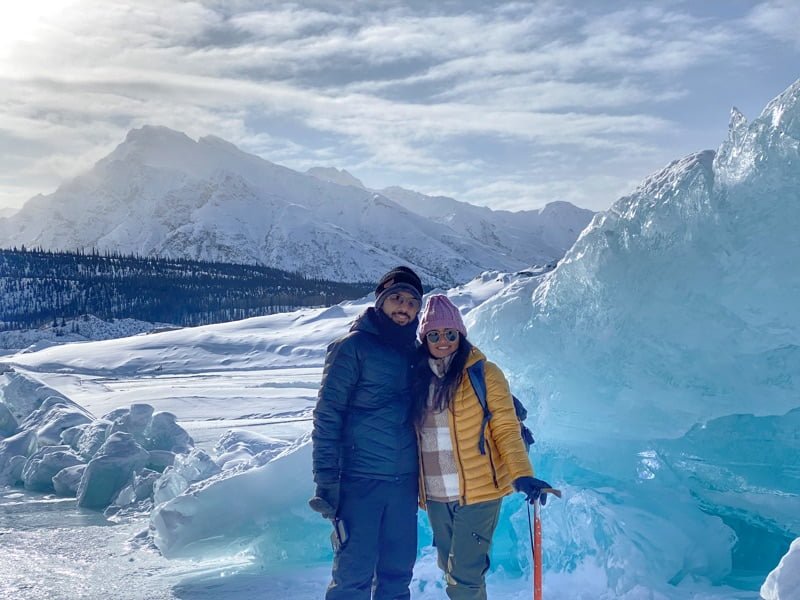
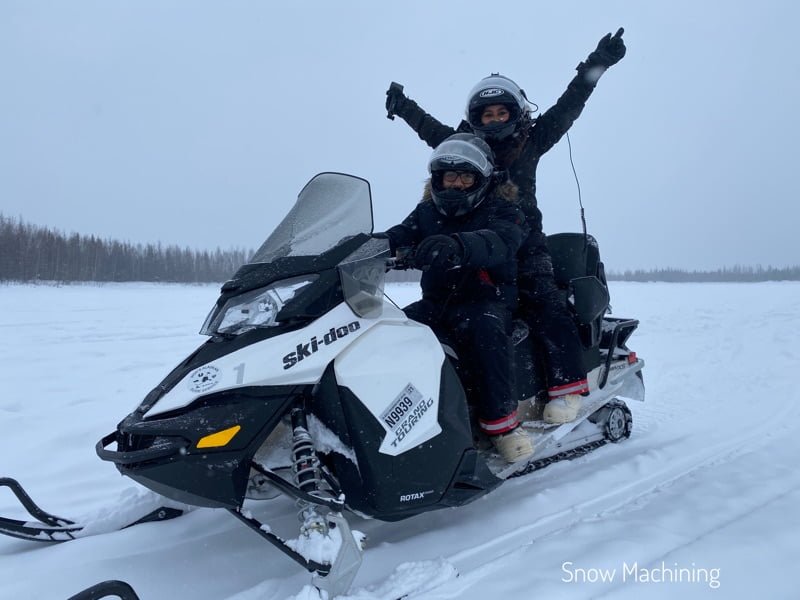
    For longer outdoor adventures such as dog sledding, snowmobiling, or visiting a glacier, we wore thermals and fleece underneath our winter outerwear.

    Snow pants were a much better choice than jeans for these activities because they helped protect us from snow, wind, and icy temperatures. Insulated ski gloves and winter boots were also more practical than regular gloves and shoes.

    Some guided winter tours provide additional equipment, such as insulated suits, heavy boots, helmets, gloves, or glacier gear. However, I would still wear your own base and mid-layers underneath so you stay warm before, during, and after the activity.

    Hot Springs

    If you are planning to visit a hot spring, remember to pack a swimsuit because you will need one to enter the water. It may feel strange adding swimwear to an Alaska winter packing list, but this is one of those easy-to-forget items.

    You will still need all your regular winter clothing for getting to and from the hot springs, so keep your thermals, outer layers, socks, boots, beanie, and gloves nearby for when you get out of the water.

    Other Essentials to Pack

    Winter clothing is the main focus when planning what to pack for Alaska in winter, but the cold and dry air can also affect your eyes, lips, and skin. These were a few smaller essentials that made our trip much more comfortable.

    Sunglasses: Snow can feel surprisingly bright during the day, especially when sunlight reflects off the ground. We carried sunglasses to protect our eyes from UV rays and reduce irritation from the cold, dry air.

    Eye drops: The dry winter weather can make your eyes feel uncomfortable, so carrying lubricating eye drops or an eye moisturizer can be helpful. This is especially useful if you wear contact lenses or spend a lot of time outdoors.

    Sunscreen: Sunscreen is still important during an Alaska winter trip. Even when it is freezing outside, your skin can still be exposed to UV rays, especially when sunlight reflects off the snow. We packed sunscreen for both the face and body.

    Lip Balm: My lips became dry very quickly in the cold weather, so I kept a lip balm or chapstick with me throughout the day. I recommend carrying one in your jacket pocket so it is always easy to reach.

    Body Moisturizer: Alaska’s cold and dry winter weather can be harsh on the skin. We packed a thick body moisturizer and used it regularly, especially after showering and before going to bed.

    These items may not take up much room in your luggage, but they are worth adding to your Alaska winter packing list. After spending so much time planning warm layers, it is easy to forget how much the dry air and reflected sunlight can affect your skin and eyes.

    Find your Winter Gear 👇🏼

    Tips for Layering and Buying Winter Clothes

    Buying winter clothes for Alaska can get expensive very quickly, especially when you are shopping for temperatures that are much colder than what you normally experience. We live in New Jersey, so we knew we could reuse some of these items during winter at home. That made the cost feel more like an investment for us.

    However, I do not think you need to buy the exact same products we used or spend a huge amount of money on every single layer. The most important thing is understanding how the pieces work together and choosing items with good reviews for warmth, fit, and cold-weather performance.

    Put Your Layers On Right Before Leaving

    One small thing that made getting ready much more comfortable was waiting until just before leaving the hotel to put on our heavier layers.

    Hotels and other indoor spaces in Alaska are usually very warm, so sitting around in thermals, fleece, snow pants, and a parka can make you overheat quickly. You also want to avoid sweating before stepping outside because damp clothing can make the cold feel even worse.

    This was the order that worked best for us:

    Socks → Thermals → Mid-layers → Shoes → Outer jacket or parka

    We usually kept the final jacket or parka for last and put it on right before walking out the door.

    Check the Fit With All Your Layers

    Your jacket may fit perfectly over a regular shirt, but once you add thermals, fleece, and another insulated layer underneath, it can suddenly feel too tight. The same goes for snow pants and winter boots.

    I recommend trying on your complete Alaska outfit before the trip. Wear all the layers together, move around, sit down, and make sure you can still bend your arms and knees comfortably.

    For boots, try them on with the exact liner and wool socks you plan to wear. Too many thick socks can make your boots tight, and that can become uncomfortable when you are outside for hours.

    Frequently Asked Questions

    What temperature is Alaska in winter, and how many layers do I need?
    We visited Alaska in March, when temperatures ranged from -15°C to -25°C (it can drop below -30°C in Fairbanks in December and January). We wore 4 layers and adjusted based on where we were — removing a layer or two indoors in heated spaces to avoid sweating, since sweating in freezing temperatures is dangerous.

    How cold does Alaska get in winter?
    During our March trip, temperatures ranged from about -15°C to -25°C. Fairbanks can drop below -30°C in December and January.

    Can I wear cotton in Alaska in winter?
    Avoid cotton as your base layer because it holds moisture. Merino wool or moisture-wicking synthetic thermals are better options.

    Are gloves or mittens better for an Alaska winter trip?
    For longer outdoor activities, insulated ski gloves gave us the best protection from the cold and wind. However, wool mittens paired with thin liner gloves also kept our hands warm because they allowed our fingers to stay together.

    Do I need ice cleats in Alaska in winter?
    Ice cleats or removable walking traction can be helpful if you plan to walk on icy sidewalks, trails, or snowy paths. They are especially useful for winter hiking or anywhere the ground may be slippery.

    Do I need special boots for Alaska winter, or will regular winter boots work?
    You should pack insulated winter boots made for cold and snowy conditions. Look for boots that are waterproof or water-resistant, have good traction, and leave enough room for liner and wool socks. Adding too many thick socks can make the boots tight, so make sure you can still move your toes comfortably.

    What is the one thing people forget to pack for an Alaska winter trip?
    A swimsuit, especially if you plan to visit a hot spring. Hand, foot, and body warmers are also easy to forget.

    Final Thoughts on What to Wear in Alaska in Winter

    There’s a popular saying: “There’s no such thing as bad weather, only unsuitable clothing.” After experiencing Alaska in temperatures between -15°C and -25°C, I completely understand what it means.

    Packing for Alaska in winter felt intimidating at first because I had never prepared for temperatures this cold. I spent a lot of time researching thermals, jackets, boots, and winter accessories, and I’m glad I did. Having the right clothing made it possible for us to enjoy the trip instead of constantly worrying about the cold.


    The biggest thing I learned is that there is no single outfit that works for every part of an Alaska winter trip. For daytime sightseeing and driving, we wore lighter layers that were easy to remove inside heated spaces. For Northern Lights viewing and longer outdoor activities, we wore our full four-layer setup along with a balaclava, insulated gloves, winter boots, and warmers.

    Hopefully, this guide makes figuring out what to wear in Alaska in winter feel less overwhelming. This Alaska winter packing list is based on what we actually wore, what kept us warm, and what I would pack again for another winter trip.

    The most important thing to remember is to keep yourself warm and comfortable. Drink Hot Chocolate and enjoy your time in Alaska.

    Hope you find this blog helpful for your travel planning. Also, let me know in the comments if have any questions. Happy to answer! or if you find our blog useful. Happy to know!

    You can also follow me on Instagram Or Facebook, where I post all about my travels. I also have a YouTube channel where I share my travel videos. Pin it or Bookmark this post for your future reference. 

    If you find my blog helpful and want to buy me a coffee, you can do that here.

    Similar Posts

    7 Comments

    1. I’m following to see what you wore as we are going in March! A few weeks! What did you wear under yours outer layer when you were more so in the snow? Did you wear 3 layers or is that too much?

      1. When we were out in the snow or cold, we used to wear a base layer and a mid-fleece layer under our outer layer. Although it did feel a bit heavy to move, layering up is essential to stay warm, especially when you go out at night to watch the Northern Lights. You can also check this Insulated One-Piece Suit. for alternative.

    2. Hi Pranjal and Priyanka,

      Super helpful blog and video. Thank you for the same.

      Seeing northern lights is on my bucket list since long time and this year I want to plan to go in March with my 10 year old daughter. Can you please let me know-
      1) would you recommend traveling with kids during this time of the year?
      Would you recommend any specific dates of week in March?
      2) for the rental car, would you require snow chains, would it be safe to drive or would you recommend booking tours and avoid driving as a single adult?
      3) how much did it cost for 2 or per person if I would like to follow the exact same itinerary?

      Looking forward to hearing from you.

      Thanks in advance.

      1. Yes, it is worth visiting Fairbanks if you want to see Northern Lights (mainly), touch down Arctic circle, visiting Denali National Park and Husky rides.

    Leave a Reply

    Your email address will not be published. Required fields are marked *

    This site uses Akismet to reduce spam. Learn how your comment data is processed.