Morocco Travel Guide for First Timers — Everything You Need to Know
If Morocco has been sitting on your bucket list and you’re wondering where should I go in Morocco, what to expect in Morocco, or whether it’s actually worth the hype. I’m here to tell you: yes, and then some with this Morocco Travel Guide.
Ancient medinas buzzing with life, golden sand dunes stretching endlessly into the horizon, blue-painted mountain towns, snow-capped peaks, and mint tea poured from impossible heights. It’s no wonder Morocco is one of the most fascinating destinations in North Africa.
I had Morocco on my list for years. I’d saved the photos, watched the reels, and read countless blog posts trying to understand what it would actually be like. And while nothing fully prepares you for the sensory overload. One thing became clear very quickly once I arrived in Morocco, this is a country that demands your attention.
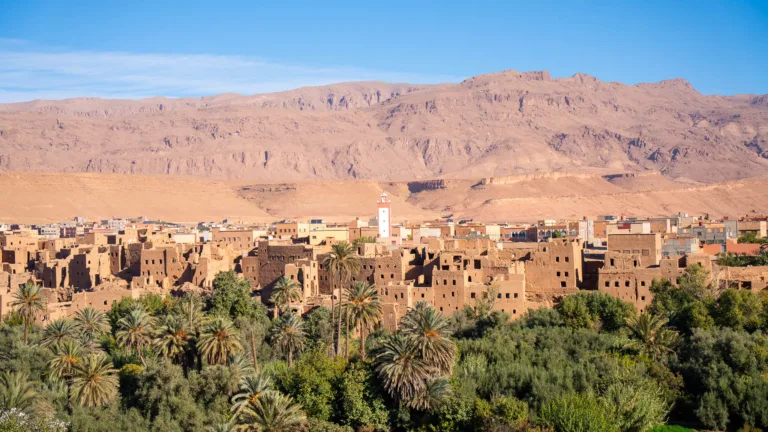
Morocco is intense, colourful, chaotic, and deeply beautiful. From the earthy tones of ancient kasbahs to the vibrant chaos of the souks, from the call to prayer echoing through narrow alleyways to the silence of the Sahara at night — every day feels layered and alive. It’s a place where tradition and modern life coexist in a way that feels raw and unfiltered.
What stood out to me most was the contrast. One moment you’re wandering through a centuries-old medina getting lost on purpose, and the next you’re sitting in a stunning riad courtyard that feels straight out of a design magazine. Morocco constantly keeps you on your toes and that’s part of its magic.
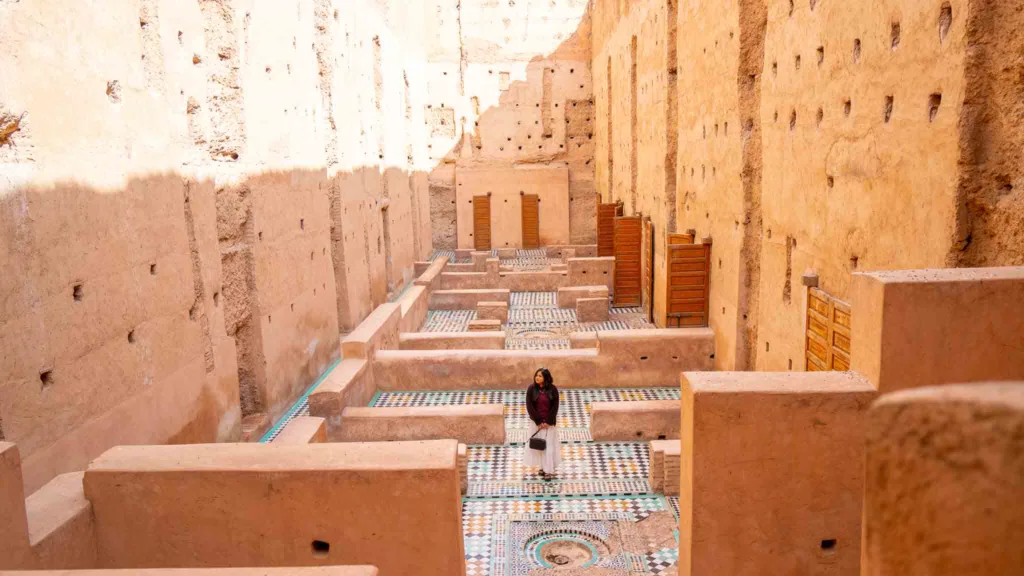
Morocco has exploded in popularity over the last few years, especially with travellers looking for culture, adventure, and unique experiences beyond Europe. But despite its growing fame, it can still feel overwhelming to plan. Questions like where should I go in Morocco, what should I expect in Morocco, and how do I travel around without stress come up again and again — and I had all the same questions before my trip.
That’s exactly why I created this Morocco travel guide.
This guide is based on my personal experience traveling through Morocco, combined with thorough research before and during my trip. It’s written to help travellers like you — curious, excited, maybe a little nervous — plan a trip that feels intentional, smooth, and unforgettable. Whether you’re visiting for the first time or trying to build the perfect route, this travel guide to Morocco will walk you through everything you need to know.
I’ll cover the best time to visit, how to get around, budgeting tips, safety advice, what to pack, and the best places to include in your itinerary. I’ll also link out to more detailed city guides and itineraries where it makes sense, so you can dive deeper without getting overwhelmed.
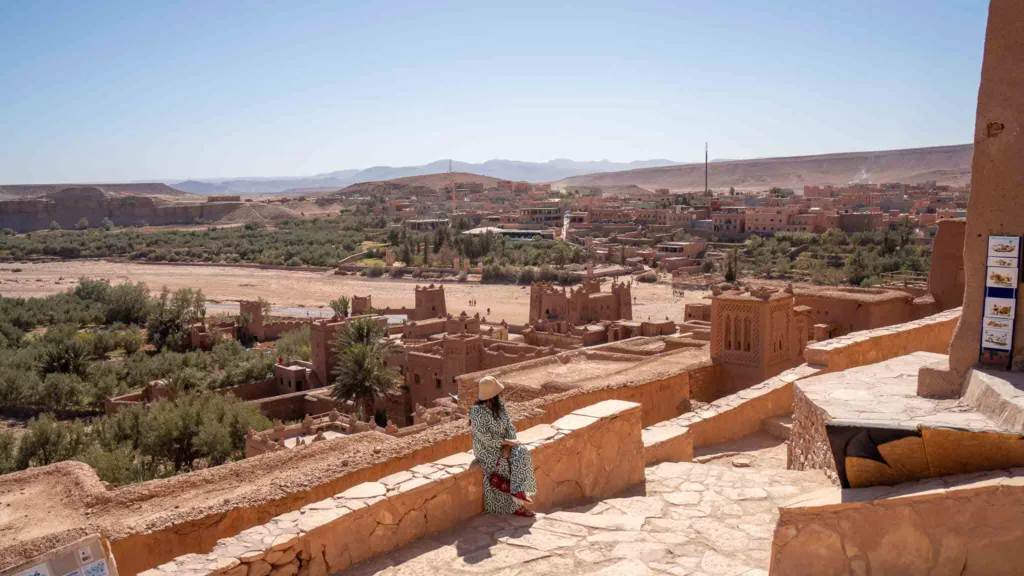
How to Get to Morocco
Getting to Morocco is easier than many people expect, especially if you’re traveling from Europe or North America. Morocco is well connected by air, and for most travelers, flying is the simplest and most efficient way to arrive.
Most international visitors land in one of these major airports:
- Casablanca (CMN) – Morocco’s largest international hub
- Marrakech (RAK) – ideal if you’re heading straight into sightseeing
- Fes (FEZ) – a great starting point for northern Morocco
If you’re coming from the U.S., you can find direct flights to Casablanca or Marrakesh from cities like New York, Atlanta and Washington, D.C. From Europe, flights are even easier, with frequent and affordable routes from Paris, Madrid, London, and Lisbon. Budget airlines also operate routes into Marrakech and Fes, which can make Morocco a surprisingly affordable destination to reach.
Before booking, think about your itinerary. Morocco is a country where it really helps to fly into one city and out of another. For example, flying into Casablanca and leaving from Marrakech (or vice versa) can save you long travel days and unnecessary backtracking.
If you’re already in southern Europe, Morocco is also accessible by ferry. Ferries run from Spain to northern Morocco, connecting places like Algeciras and Tarifa to Tangier. While this route is popular with overland travelers and those driving across Europe, it does add extra logistics and time compared to flying.
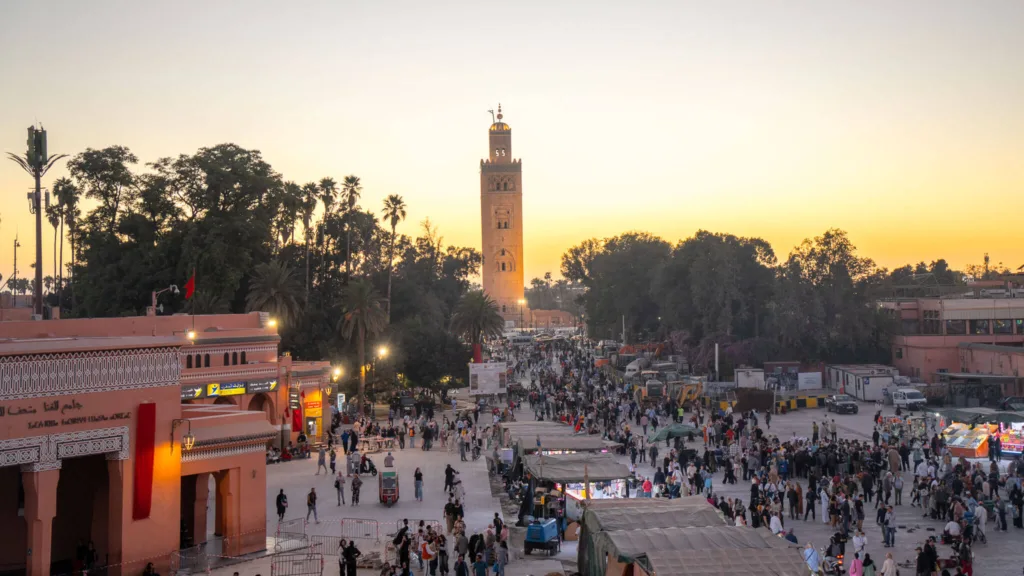
Visa Requirements to Visit Morocco
Visa requirements were one of the first things I looked into when planning my trip to Morocco, and honestly, it turned out to be much simpler than I expected.
For travelers from the United States, Canada, the United Kingdom, Australia, and most European countries, Morocco is visa-free for stays of up to 90 days.
If you’re traveling on an Indian passport (like me), Morocco does require a visa. But unlike traditional embassy visas, Morocco offers a convenient e-visa.
What you’ll need for the Morocco e-visa: A valid Indian passport (with at least six months validity) ; A passport-style photo; Proof of accommodation ; Return or onward flight details ; Completed online application.
I applied for my Morocco e-visa online about a week before my trip, and the process was straightforward. Just uploading documents, filling out the application, and waiting for approval.
The Standard eVisa for Tourist costs around 770 MAD (around $90) per person for single entry. The maximum period of the electronic visa validity is 180 days, starting from the date of issue,
for a single entry and a period of stay not exceeding 30 days.
If you’re an Indian passport holder with US Visa, your residency status doesn’t change the requirement — you’ll still need to apply for the e-visa in advance.
Visa rules can always change, so it’s worth double-checking official sources before you apply.
Best Time to Visit Morocco
Morocco is a country of extremes — deserts, mountains, coastlines, and ancient cities — and the weather changes dramatically depending on where you are and when you go.
I visited Morocco in November, and it ended up being one of the best travel decisions I made all year. Not only was the weather close to perfect, but it’s also when I scored an incredible flight deal through Thrifty Traveler.
If you’re not familiar, Thrifty Traveler is a flight deal service that sends alerts when airlines drop prices — especially for international routes that normally feel expensive. Instead of endlessly searching Google Flights, they monitor fares for you and notify you when there’s a genuinely good deal. That’s exactly how I ended up booking Morocco when I did. (applicable only for US Residents)
👉 I personally use and recommend them, you can check them out here.
Once the flights were booked, everything else fell into place.
November sits right in Morocco’s fall sweet spot, which — along with spring — is widely considered the best time to visit. Days were warm but comfortable, perfect for wandering medinas, sitting outside with mint tea, and covering long distances without feeling drained. Evenings cooled down just enough to make riads feel cozy rather than cold.
Here’s how the seasons in Morocco compare:
Fall (September–November)
This is one of the best times to visit Morocco. The intense summer heat fades, cities become enjoyable to explore, and desert trips are far more comfortable.
Spring (March–May)
Another ideal season. Flowers bloom across the countryside, temperatures are pleasant, and the Atlas Mountains look incredible.
Summer (June–August)
Summer can be challenging, especially in inland cities like Marrakech and Fes, where temperatures soar. Coastal towns are more manageable, but sightseeing during the day can feel exhausting if you’re not used to extreme heat.
Winter (December–February)
Winter brings cooler days and cold nights, particularly in the desert and mountains. Snow is common in the Atlas Mountains, which can be beautiful if you’re prepared, but layering is essential.
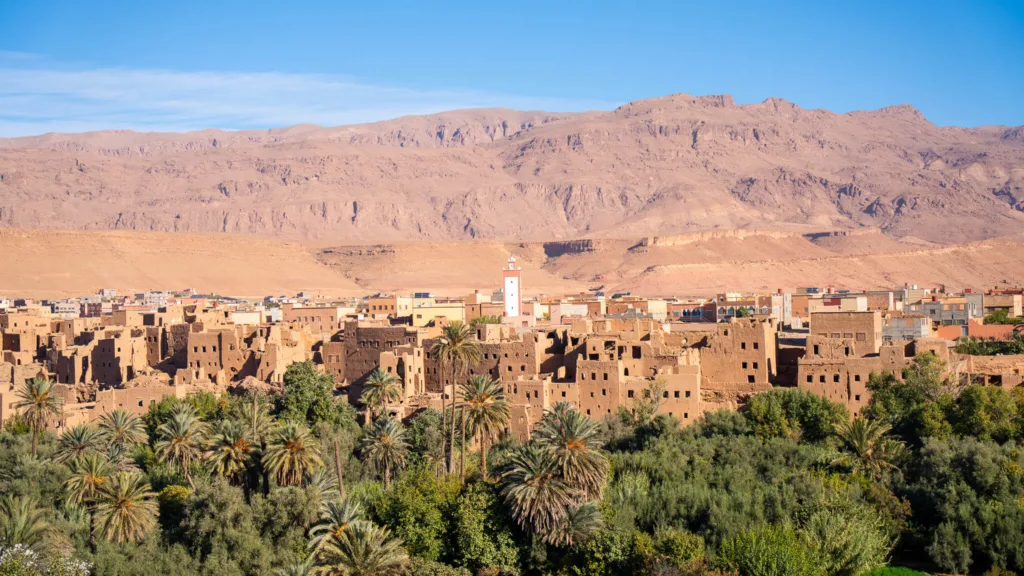
Morocco doesn’t have a single “best” season. It depends on what you want from the trip. But if you’re looking for comfortable weather, manageable crowds, and the flexibility to experience cities, deserts, and mountains without compromise, fall especially November, it is hard to beat.
Budgeting for a Morocco Trip
Morocco has a reputation for being affordable — and while that’s mostly true, how much you spend really depends on how you choose to travel. It’s one of those rare destinations where budget travelers and luxury travelers can exist side by side, often on the same street.
Before arriving in Morocco, I wasn’t entirely sure what to expect cost-wise. I’d read everything from “Morocco is dirt cheap” to “It’s getting expensive,” and the reality, as usual, sits somewhere in the middle. What stood out most to me was the value for money, especially when it came to accommodation, food, and experiences.
These estimates include accommodation, food, transport, and basic sightseeing, but not big-ticket experiences like multi-day desert tours.
Accommodation : If you’re researching where to stay, you’ll probably see the words riad and dar everywhere especially in Marrakesh or Fes and at first, they can be confusing because they’re very similar.
A riad is a traditional Moroccan home built around a central courtyard, often with a fountain, plants, or a small pool. Most riads in Marrakech operate as boutique hotels and offer amenities like breakfast, rooftop terraces, and help with transfers and tours. Even mid-range riads feel luxurious, with beautiful design, attentive service, and incredible breakfasts.
Whereas, a dar is also a traditional Moroccan house, but it’s typically smaller and more intimate than a riad. It feels more like staying in a private home or guesthouse.
If you’re deciding between a riad, a dar and a hotel, here’s my honest take: hotels are comfortable and predictable, but riads & dar offer an experience. When time is limited, staying somewhere that feels uniquely Moroccan adds so much depth to your trip without needing to do more sightseeing.
Food & Drinks : Food in Morocco is where your budget really stretches. Eating at local restaurants is inexpensive, filling, and delicious. Tagines, couscous, grilled chicken, and fresh bread are widely available, and portions are generous.
You can easily eat well for under $10–15 per meal at local spots. Upscale restaurants and rooftop dining experiences cost more, but even then, prices feel reasonable for the quality and atmosphere.
Transportation : Getting around Morocco doesn’t have to be expensive, but costs add up depending on your route. Trains and buses are affordable, taxis are cheap for short distances, and shared tours help keep costs down.
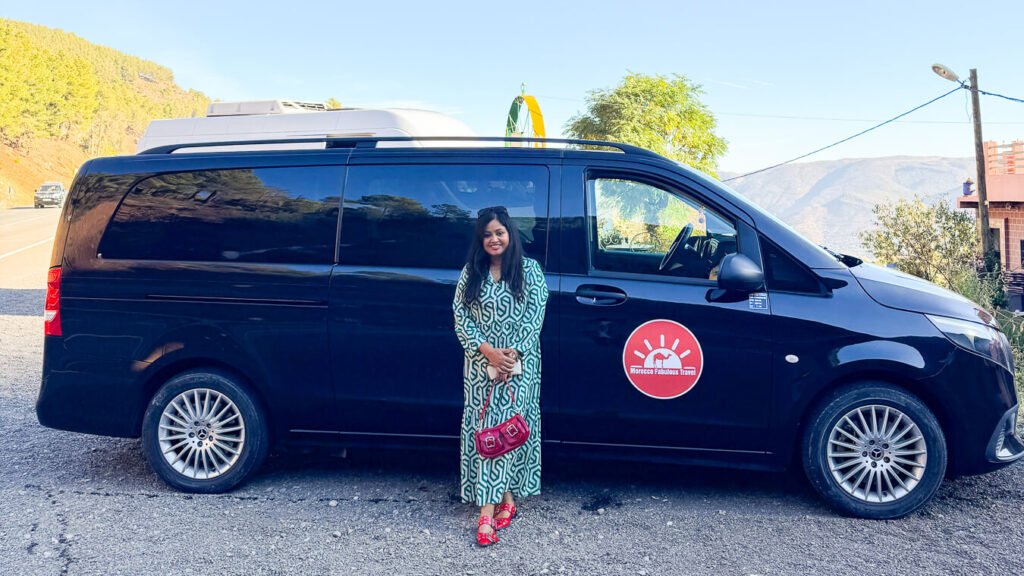
Private drivers and guided transfers cost more, but they can be worth it if you’re short on time or navigating more remote areas.
Tours & Experiences : Desert tours, guided medina walks, food tours, and day trips are surprisingly affordable compared to similar experiences elsewhere. You get a lot of context, local insight, and peace of mind by going with a guide, especially in places where navigating independently can be overwhelming.
Personally, I found that spending a little more on experiences made the entire trip richer and more memorable.
My Budgeting Tip : Try to save on flights and accommodation, and spend intentionally on experiences once you’re there.
How to Get Around in Morocco
Winding medinas where scooters brush past donkeys, long desert highways stretching endlessly ahead, mountain roads that twist through tiny villages. Getting around Morocco is an experience in itself. Before arriving in Morocco, I wasn’t sure what to expect when it came to transportation, and I quickly learned that there’s no single “best” way to travel here.
How you move around Morocco depends entirely on where you’re going, how much time you have, and how comfortable you are navigating unfamiliar systems. The good news is that Morocco offers plenty of options, and once you understand them, getting around feels far less intimidating than it sounds.
Trains: Morocco’s train network is one of the easiest ways to travel between major cities, especially if you’re sticking to popular routes. Trains are clean, comfortable, and generally reliable, making them a great choice for first-time visitors.
They work particularly well for routes like Casablanca to Rabat, Fes, and Marrakech. First class is worth the small upgrade, not because it’s luxurious, but because you get assigned seating and comfortable journey.
Buses: For destinations not connected by train, buses fill in the gaps. Companies like CTM and Supratours are widely used by travelers and locals alike and are far more comfortable than you might expect.
Bus journeys can be long, but they’re affordable, air-conditioned, and well-organized. If you’re traveling independently without a car, buses are often your best option for longer routes.
Taxis: Cabs are everywhere in Moroccan cities and are ideal for short distances. There are two types: petit taxis for getting around town, and grand taxis for longer or shared journeys.
One thing to know upfront is that you’ll often need to agree on the price before getting in. Once you get used to this, taxis become an easy and efficient way to move around locally.
Renting a Car in Morocco : Renting a car in Morocco is absolutely an option — and in some cases, it’s the best way to travel.
If your itinerary includes the Atlas Mountains, smaller towns, or scenic road trips, having your own car gives you flexibility that public transport can’t. Roads between cities are generally in good condition, and driving on highways feels straightforward.
Driving in Morocco : Driving in Morocco isn’t difficult in the traditional sense, but it operates on its own unspoken rules. Once you understand the rhythm of the road, it starts to make sense. Chaotic at first, but surprisingly functional.
That said, city driving — especially in places like Marrakech and Fes — can be chaotic. Medinas aren’t designed for cars, parking is limited, and traffic rules feel more like suggestions at times. If you choose to rent a car, I recommend picking it up when you’re leaving the city and returning it before entering another city.
Police checkpoints are common throughout Morocco, especially on highways and between towns. If you are stopped for a violation, it’s important to know that fines are typically paid on the spot in cash. Because of this, it’s a good idea to always carry at least 1,000 MAD with you when driving. It’s not something you’ll likely need often, but having cash on hand avoids unnecessary stress if you’re pulled over.
Speed limits are enforced, sometimes more strictly than you might expect, so keeping an eye on your speed is essential. It’s one of the easiest ways to avoid fines altogether.
Currency & Language in Morocco
The local currency is the Moroccan Dirham (MAD), and cash plays a much bigger role here than it does in many Western countries. While hotels, riads, and some higher-end restaurants accept cards, cash is essential for day-to-day travel, especially in medinas, souks, taxis, and local eateries.
I found myself using cash constantly: for taxis, small shops, tips, market purchases, and quick meals. ATMs are easy to find in cities and larger towns, so there’s no need to carry huge amounts at once, but having cash on you at all times is important.
One thing to keep in mind: Moroccan dirhams aren’t easily exchanged outside the country, so it’s best to withdraw what you need gradually and spend or exchange any leftover cash before leaving.
Morocco is beautifully multilingual, and you’ll hear a mix of languages everywhere you go. The official languages are Arabic and Berber, but French is widely spoken, particularly in cities, restaurants, hotels, and shops. English is becoming more common in tourist-heavy areas, but it’s not universal.
That said, language was never a barrier for me. Communication here is a mix of words, gestures, smiles, and patience and it works surprisingly well. Even when we didn’t share a common language, we always managed to understand each other.
Learning a few simple phrases goes a long way. A greeting, a thank you, or even a small attempt at French or Arabic often led to warmer interactions and genuine smiles. It’s not about speaking perfectly, it’s about showing respect.
Best Places to Visit in Morocco (For Your Itinerary)
Morocco has dozens of incredible places to visit, but most travelers only end up seeing two or three of them. Marrakech, Fes, and a quick trip to the Sahara Desert are often at the top of the list, and for good reason. They’re iconic, atmospheric, and some of the most memorable places I visited in Morocco.
That said, if you’ve got the time, I’d strongly encourage you to add one or two extra destinations to your route (like Chefchaouen, Casablanca Rabat, Agadir & Essaouira). All the places below are still travel-friendly, safe, and well set up for travelers.
Marrakech
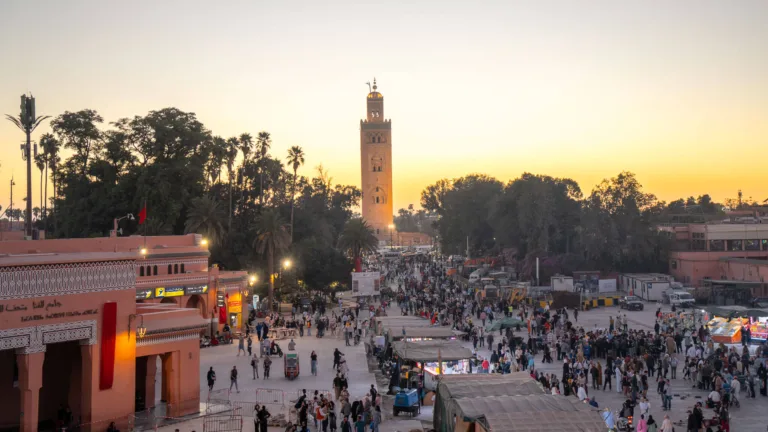
Marrakech is usually where people start, and it’s a lot at first (Like I did). The medina is busy, the souks feel endless, and there’s noise everywhere. But once you get used to it, it becomes exciting rather than overwhelming. Between the chaos, you’ll find beautiful riads, rooftop terraces, and some of the best food of the trip.
👉 I share everything you need to know here: Marrakech Travel Guide
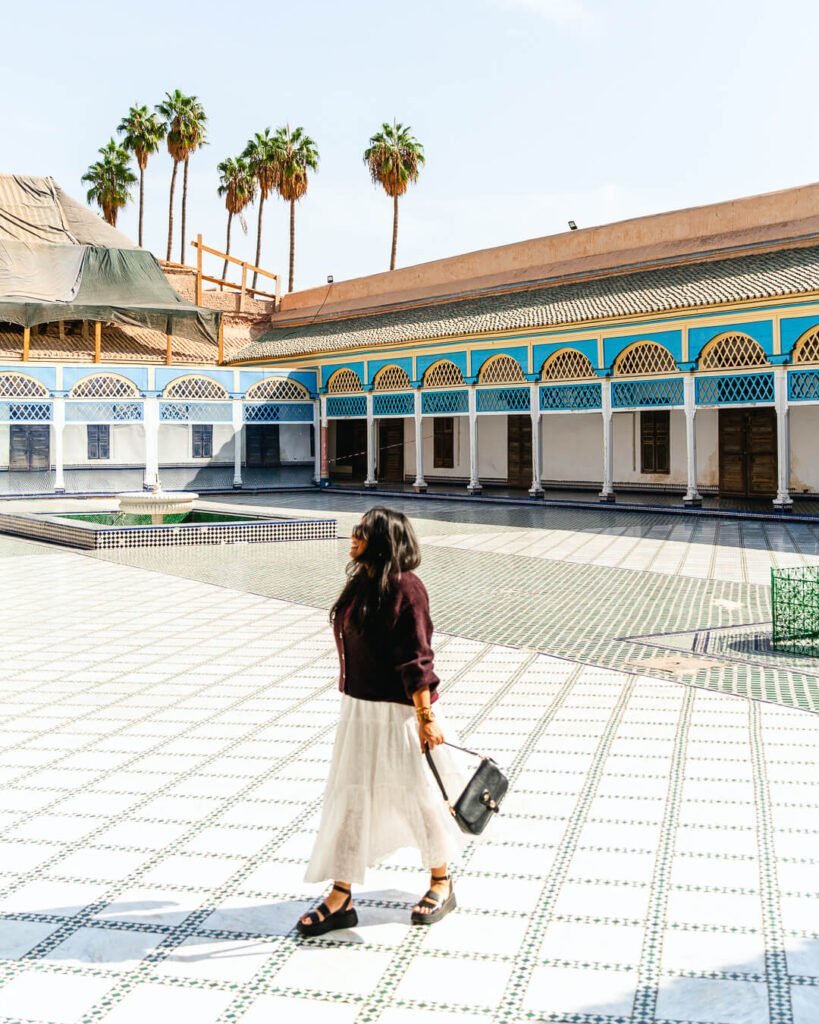
Fes
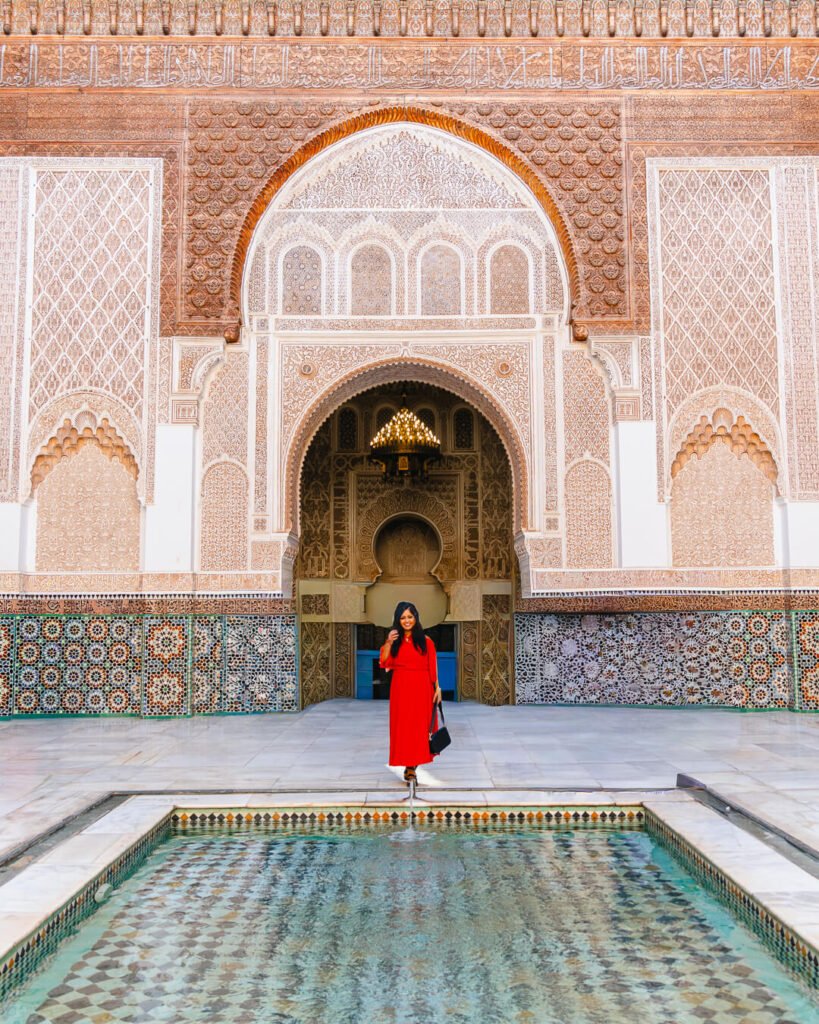
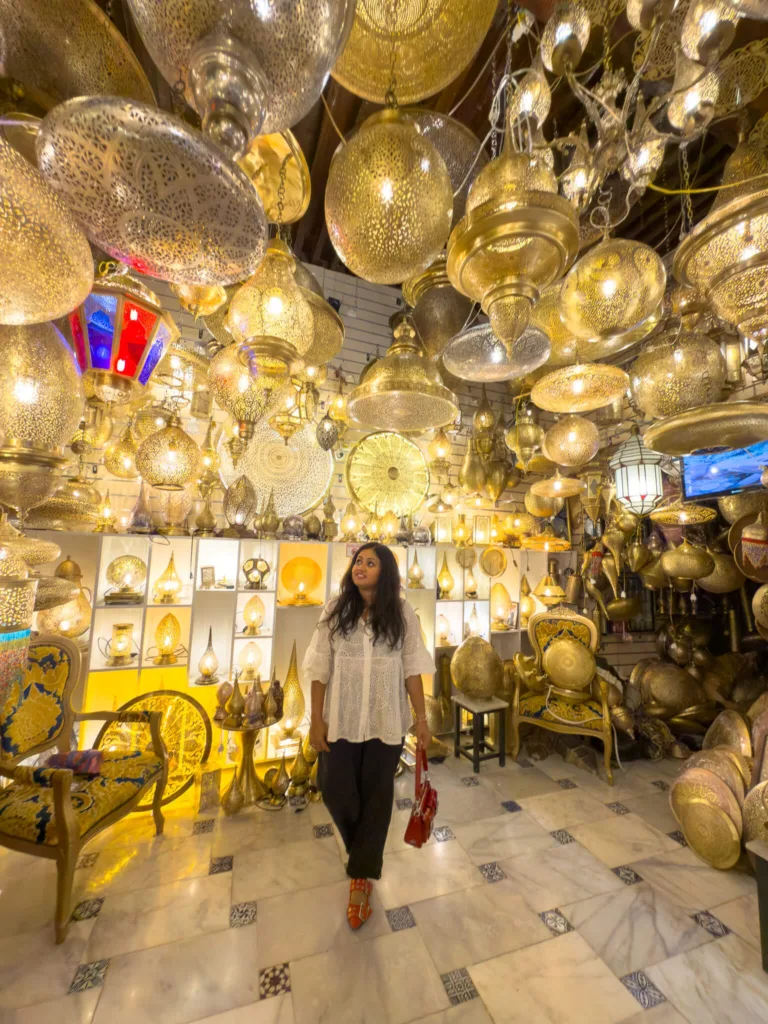
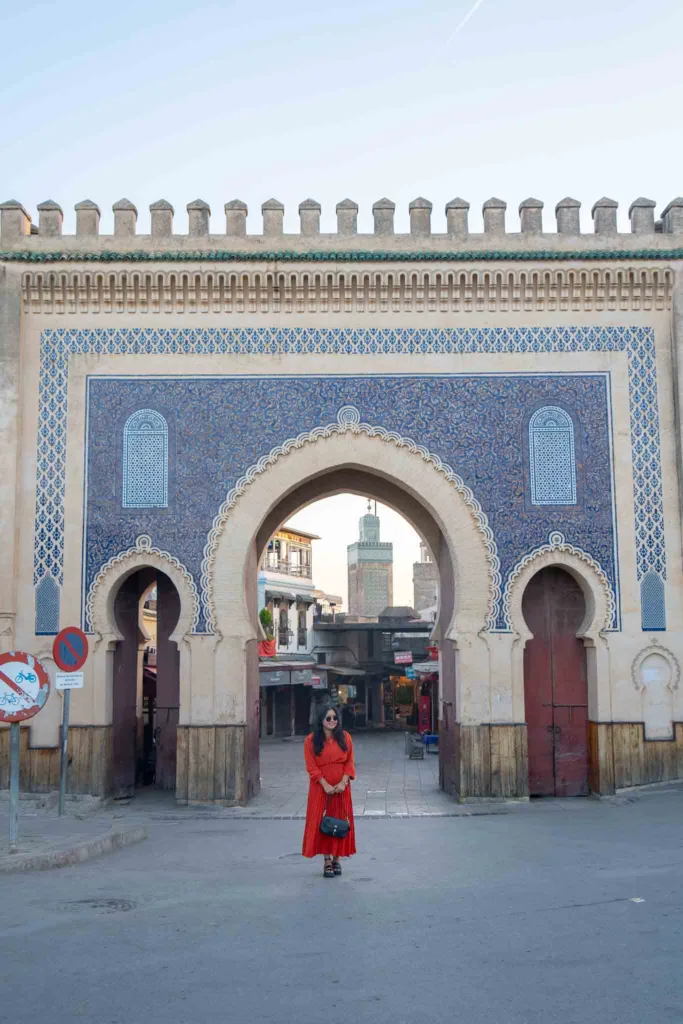
Fes feels very different from Marrakech. It’s older, rougher around the edges, and much more traditional. The medina is huge and confusing, but that’s part of the experience. Craftspeople still work out in the open, and daily life unfolds right in front of you. Take a guided tour to understand the oldest Medina in the world.
Chefchaouen
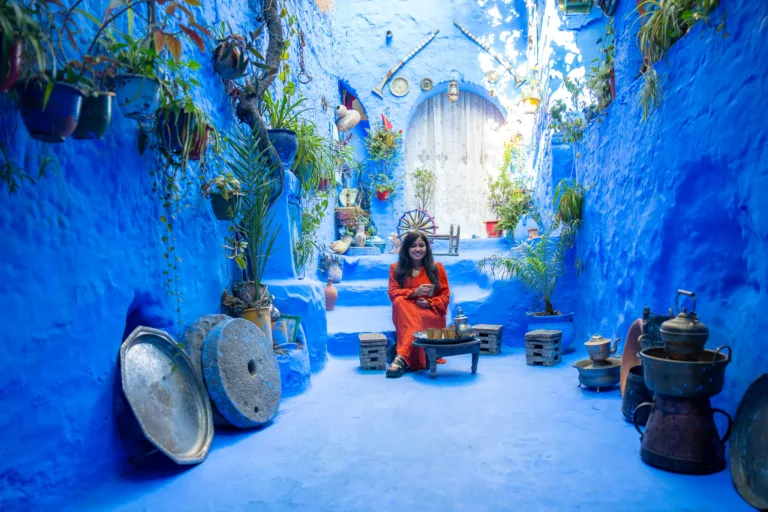
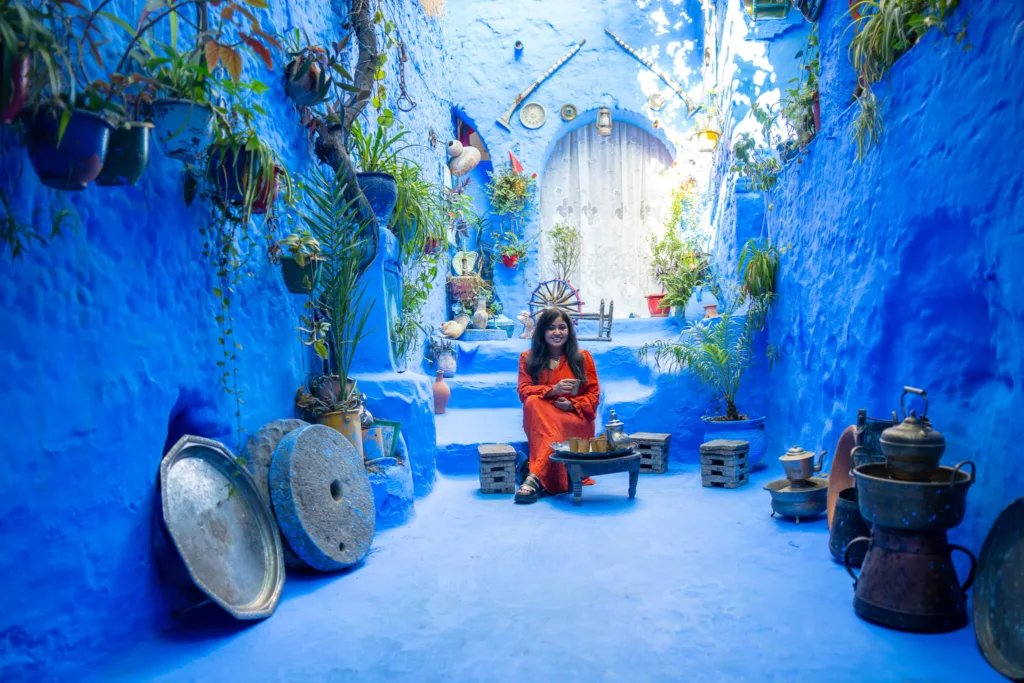
Tucked into the Rif Mountains, Chefchaouen feels like a pause button after the intensity of Morocco’s larger cities. The entire town is painted in shades of blue and life here moves at a gentler pace – cafes spill into quiet plazas, cats nap in doorways, and the mountain air feels fresh and calm. It’s incredibly photogenic, but also genuinely peaceful.
👉 If you’re tight on time: Day Trip to Chefchaouen from Fes
Sahara Desert (Merzouga)
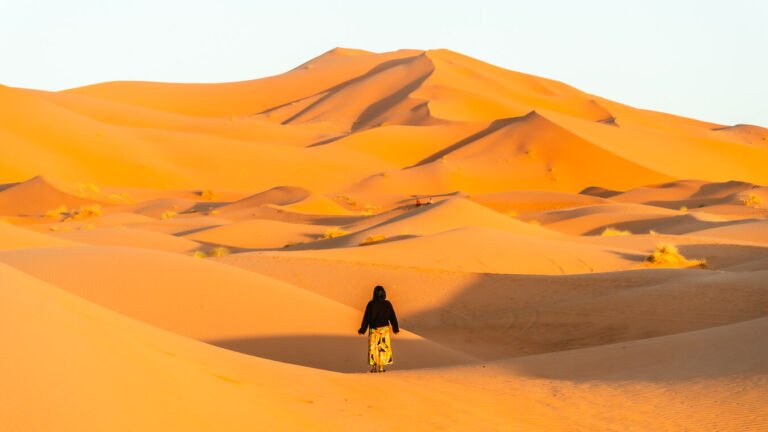
The desert is one of those experiences that makes the long travel days worth it. Riding camels across the dunes, watching the sunset, and spending the night under the stars feels surreal. It’s not quick or easy to get there, but it ended up being one of the most memorable parts of my trip.
👉 What to expect: Morocco Sahara Desert Tour Guide
Atlas Mountains
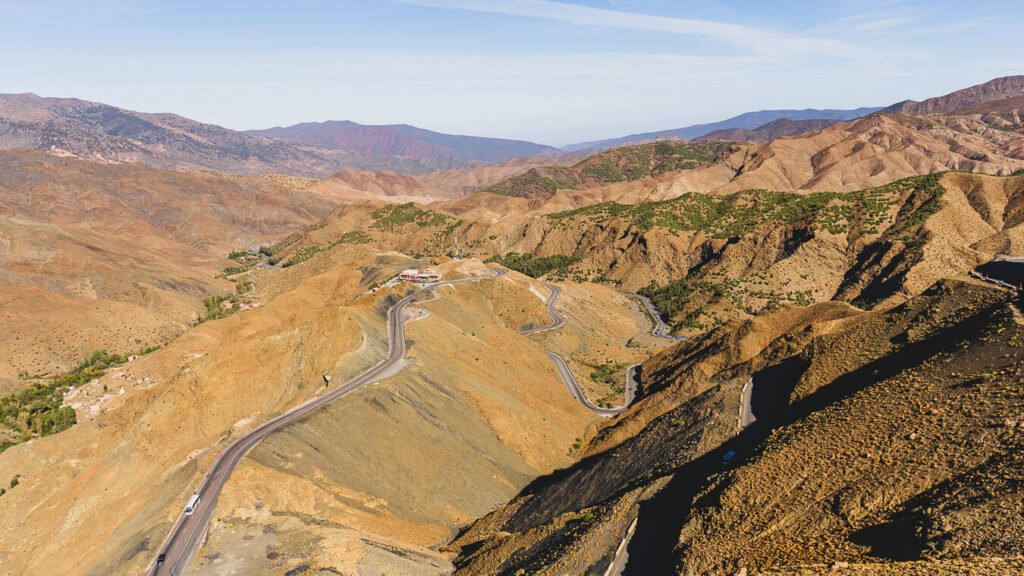
The Atlas Mountains show a much quieter side of Morocco. Small villages, winding roads, and incredible scenery make this a great addition if you want a break from cities. Renting a car or joining a day trip works well here.
Essaouira
Essaouira is relaxed, breezy, and easy to like. The medina is small, the seafood is great, and the ocean breeze makes it feel calm compared to inland cities. It’s a good place to end your trip or just slow things down.
Casablanca
Casablanca often gets skipped, but I think it’s worth a short stop, especially if you’re flying in or out. It’s modern, coastal, and very different from Morocco’s imperial cities. The highlight here is the Hassan II Mosque, one of the largest mosques in the world, dramatically perched over the Atlantic Ocean.
Morocco isn’t about ticking off as many places as possible. It’s about contrast — chaos and calm, cities and silence, tradition and modern life.I’ve linked everything together in my 10-day Morocco itinerary, so you don’t have to guess what order makes sense.
Things to Know Before You Go
There are a few things about Morocco that aren’t dealbreakers, but are much easier to handle if you know about them ahead of time. None of these caught me completely off guard, but understanding them early made the trip smoother and more enjoyable
You Will Get Lost and That’s Normal
Medinas are intentionally maze-like. Google Maps isn’t always accurate, and sometimes the fastest route is not the obvious one. Getting lost isn’t a failure — it’s part of the experience.
That said, if someone offers to “help” you find your way, know that it often comes with the expectation of payment. If you don’t want assistance, a polite but confident “no thank you” and continuing to walk is usually enough.
Bargaining Is Expected (But Not Everywhere)
In souks and small shops, bargaining is part of the culture. Prices are rarely fixed, and a friendly back-and-forth is normal. Start lower than the asking price, stay polite, and don’t take it personally — it’s not confrontational, it’s just how things work. In restaurants, cafes, riads, and shops with price tags, bargaining is not expected.
Fridays Are Different
Friday is a holy day in Morocco. Many shops close or open late, and cities feel quieter around midday. Tourist areas still function, but it’s something to keep in mind when planning travel or shopping.
Frequently Asked Questions About Traveling to Morocco
Is Morocco safe for tourists?
Yes, Morocco is generally safe for tourists. Like anywhere, petty theft can happen in busy areas, so basic awareness is important. With normal precautions, Morocco feels welcoming and manageable.
What is the best time to visit Morocco?
The best time to visit Morocco is spring (March–May) and fall (September–November). I visited in November, and the weather was ideal — warm days, cooler evenings, and fewer crowds. These seasons are perfect for city sightseeing, desert trips, and moving around comfortably.
Is Morocco expensive to travel?
Morocco offers great value for money. You can travel comfortably on a mid-range budget, especially when it comes to food, accommodation, and local transport. Riads / darr, local meals, and guided experiences are generally affordable, making Morocco a destination where your money goes far.
How many days do you need in Morocco?
Ideally, 8–12 days is a great amount of time for a first visit. This allows you to see a few cities, experience the desert, and travel without feeling rushed.
Final Thoughts : Morocco Travel Guide
Morocco is one of those places that stays with you long after the trip ends. It’s not always easy, and it’s definitely not polished, but that’s exactly what makes it special.
If you’re planning a trip to Morocco, my biggest advice is this: don’t try to do everything. Choose a handful of places, give yourself time to adjust, and let the country reveal itself gradually. The magic isn’t just in the big highlights — it’s in the small moments. A quiet riad courtyard. A shared smile in a market. The stillness of the desert at night.
This Morocco travel guide is meant to help you feel prepared, confident, and excited — not overwhelmed. Use it as a starting point, follow your curiosity, and trust that things don’t have to be perfect to be meaningful.If you’re ready to start planning, I’ve linked everything together in my 10-day Morocco itinerary, along with detailed city guides to help you go deeper without overwheming.
And if Morocco is calling you, trust it. It’s worth the journey.